
Understanding Non Specific Low Back Pain
Low back pain is one of the most common reasons people seek physiotherapy, yet it is also one of the most misunderstood. Around eighty percent of adults will experience back pain at some point, and for many it can feel worrying or disruptive to daily life, training, or work. The good news is that most cases of low back pain fall into a category called non specific low back pain which responds very well to targeted physiotherapy, load management, and simple movement based strategies.
This article breaks down what non specific low back pain actually means, what causes it, what does not cause it, and most importantly, what you can do to recover well and reduce the chance of future flare ups.
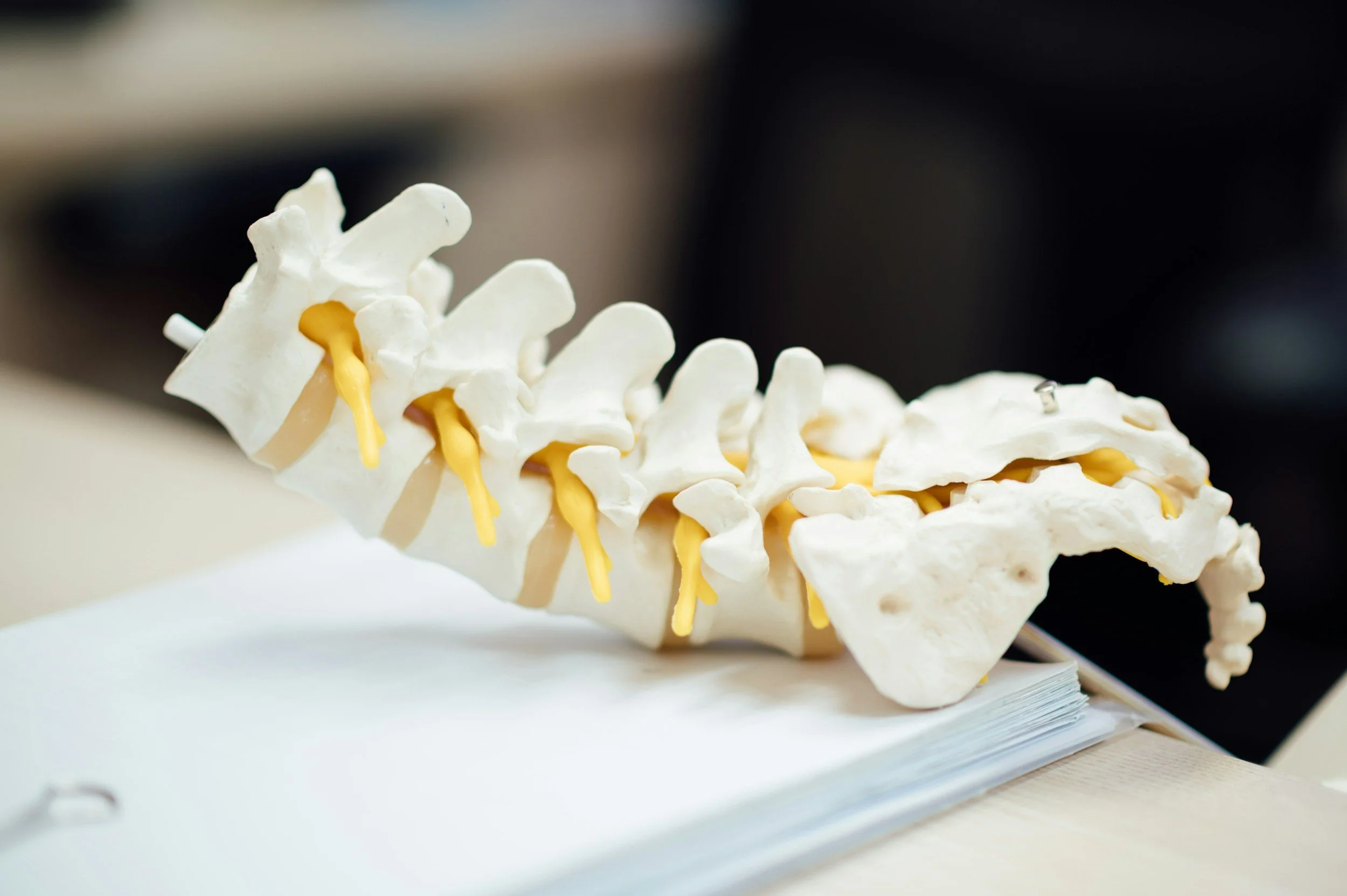
What is non specific low back pain?
Non specific low back pain is pain felt in the area between the lower ribs and the gluteal folds that cannot be attributed to a single structural cause on scans. That means there is no fracture, nerve compression, inflammatory disease, or serious pathology driving the symptoms.
It does not mean the pain is imagined. It simply means the source is multifactorial and usually related to a combination of:
Muscle overload or fatigue
Reduced movement variability
Temporary sensitisation of nerves and soft tissues
Stiffness through the lumbar spine or hips
Deconditioning or changes in activity levels
Stress, poor sleep, or reduced recovery
Workplace or training loads that have exceeded your current capacity
Most people recover quickly when these contributing factors are identified and addressed with the right plan.
What non specific low back pain is not
Understanding what this condition is not can be incredibly reassuring.
It is not a sign that your spine is weak or fragile.
It does not mean you have damaged a disc simply because it is sore to bend.
It is not caused by your posture alone.
It is not something you have to live with long term.
It does not require complete rest. In fact, rest often slows recovery.
Most importantly, scan results like disc bulges, degeneration, or arthritis are extremely common in people who have no pain at all. These findings are normal age related changes and do not reliably predict symptoms.
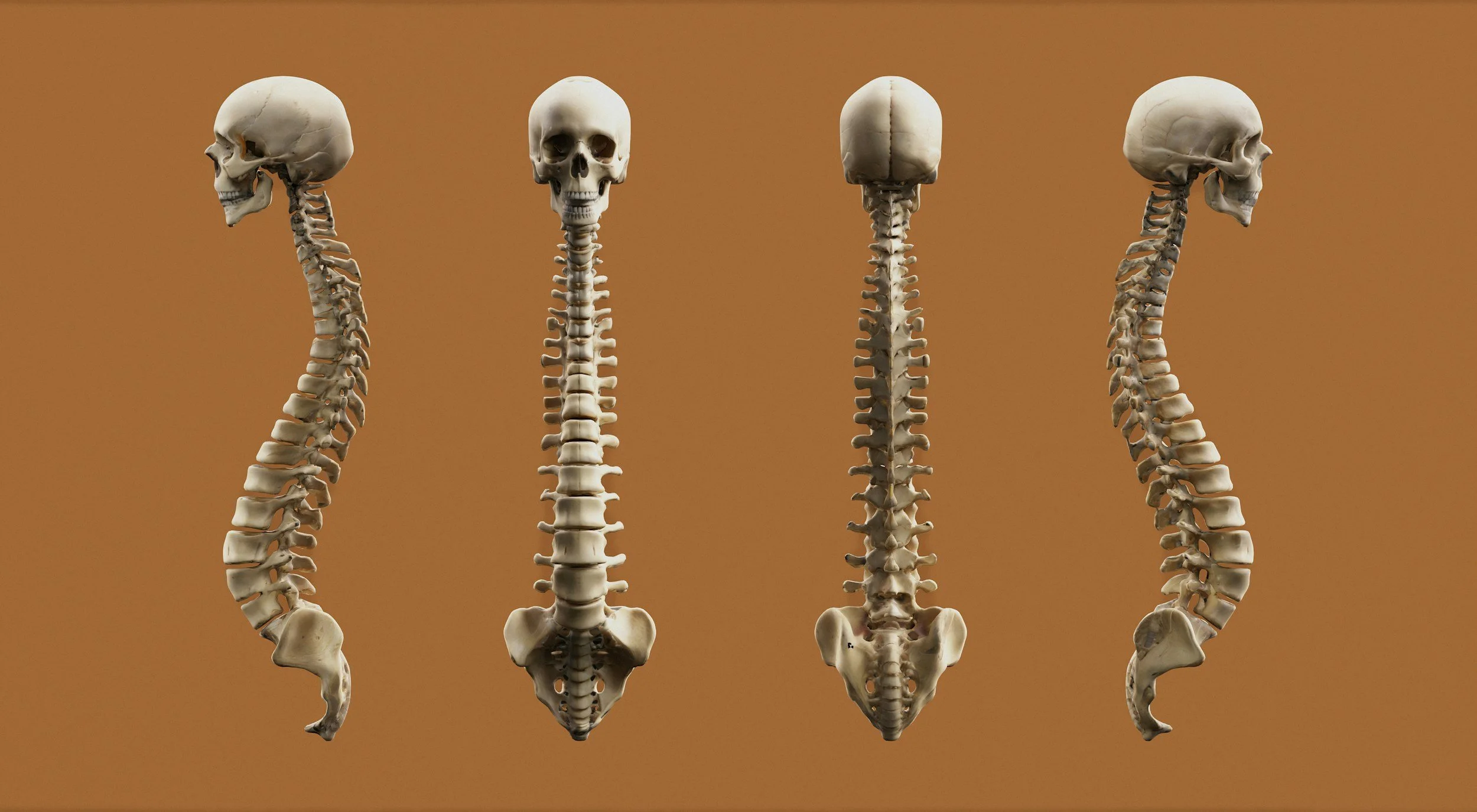
Common triggers for non specific low back pain
Back pain often flares when the load you place on your body outweighs the load you are prepared for. Triggers commonly include:
Returning to sport or gym after time off
A sudden spike in training volume or intensity
Long periods of sitting or standing without movement breaks
Repetitive lifting or bending when fatigued
Poor sleep or high stress
Inconsistent recovery habits
Reduced strength through hips, trunk, and lower limbs
These factors sensitise the tissues and nervous system, leading to pain and stiffness. Addressing them directly is the fastest way to improve.
How physiotherapy helps
At SurfEdge we take a highly active, evidence based approach to low back pain. Treatment focuses on improving function, confidence in movement, and building long term resilience.
Your rehab plan may include:
Targeted manual therapy to ease stiffness and improve movement
Graded exercise therapy to rebuild strength and capacity
Core and hip strengthening specific to your sport or work demands
Education on pacing, loading, and recovery
Movement retraining to restore natural, efficient patterns
Advice around sleep, stress, and recovery habits
A clear plan to return to training safely and confidently
We also make sure you understand your condition clearly. When patients know they are safe to move, they recover faster and feel more in control of their symptoms.
What you can do right now if your back is sore
Most people experience relief within days when they take simple, consistent steps:
Keep moving within comfort
Use heat to relax tight muscles
Break up sitting or standing every thirty minutes
Reduce, but do not stop, aggravating activities
Start gentle mobility such as knee rocks, cat cow, or supported hip hinging
Resume walking or light exercise as tolerated
Pay attention to sleep, hydration, and recovery
If pain persists beyond a week or two, limits your daily activities, or comes with leg symptoms, a physiotherapy assessment can help clarify what is going on and guide your recovery.
When to seek help sooner
While non specific low back pain is very common, get assessed promptly if you experience:
Tingling, numbness, or weakness in one or both legs
Significant pain after trauma or a fall
Difficulty controlling bladder or bowel function
Sudden severe pain that does not improve with light movement
These situations are less common but require earlier review.
Building long term back resilience
The strongest back is the one that is exposed to regular, varied movement. This is why long term management relies on building capacity, not avoiding activity.
Key strategies for resilience include:
Strength training at least twice per week
Hip and trunk conditioning tailored to your sport
Gradual increases in training load
Consistent recovery habits
Learning your early warning signs and adjusting accordingly
With the right approach, your back can become stronger, more tolerant, and less reactive over time.
Final thoughts
Non specific low back pain is common, very manageable, and rarely something to fear. With clear guidance, consistent loading strategies, and a bit of patience, most people return to full activity quickly. If you are experiencing a flare up or want personalised advice, we are here to help you recover well and get back to doing what you enjoy. If you need support, you can book an appointment with us online at any time or get in touch with the clinic for guidance on your next steps.