

Recover. Perform. Excel.
SurfEdge Sports Physiotherapy Blog

Bone Stress Injuries in Runners: When a Niggle Is More Than Just a Niggle
Bone stress injuries can start as little more than a niggle, but recognising the early signs can make a significant difference to recovery. We take a closer look at why BSIs occur, what runners should watch for, and how appropriate rehabilitation can help you safely return to running.

Meet Nate: Physiotherapist at SurfEdge Sports Physiotherapy
Meet Nate, physiotherapist at SurfEdge Sports Physiotherapy in Maroochydore. With a strong interest in sports and combat sports injuries, vestibular rehabilitation and workplace injuries, Nate takes an active, exercise-focused approach to helping people stay moving and return to the activities that matter to them.
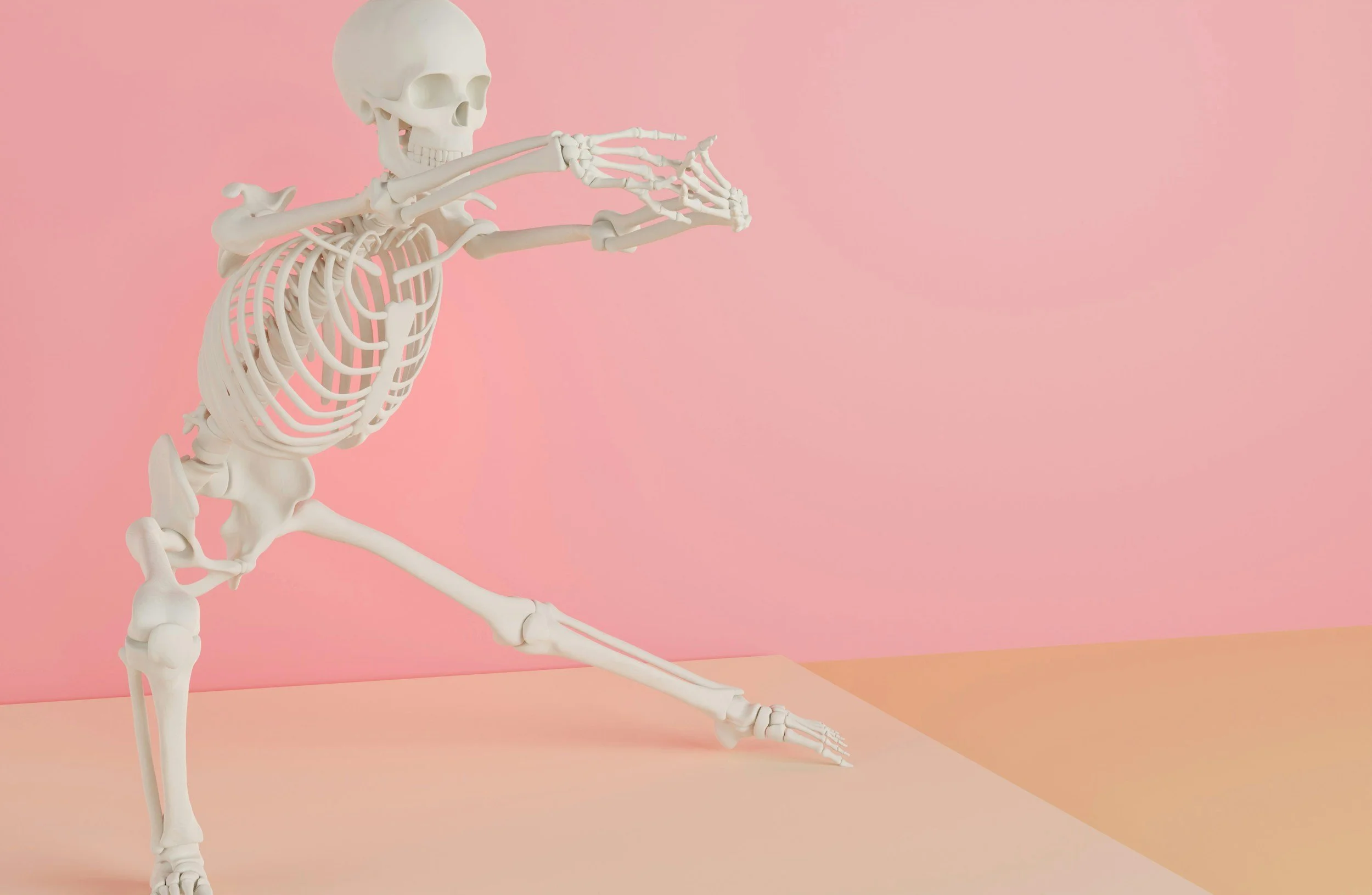
Osteoporosis Exercise: Why Walking Alone Isn’t Enough for Your Bones
Walking is great for your health, but is it enough for your bones? We look at why exercise for osteoporosis needs to go beyond simply staying active, and how the right type of loading can help improve strength, balance and long-term bone health.

The Most Important Number in Sports Performance Isn't Strength - It's Capacity
Strength is important, but it isn't the biggest predictor of athletic performance or injury resilience. True performance is built on capacity - your body's ability to tolerate, recover from and adapt to training demands over time. Discover why building capacity, not just strength, is the key to staying healthy, performing at your best, and achieving long-term success in sport.

Do You Really Need an MRI? Understanding Medical Imaging for Sports Injuries
Wondering if you need an MRI for your injury? While medical imaging can be invaluable in certain situations, many common musculoskeletal conditions can be accurately diagnosed through a comprehensive physiotherapy assessment. Learn when an MRI is helpful, when it may be unnecessary, and why treating the person—not just the scan—is the foundation of evidence-based care.

Marathon Recovery: The Science Behind Recovering Faster After 42.2 km
Completing a marathon places enormous demands on your muscles, tendons and energy systems, making recovery just as important as your training. Learn what happens to your body after 42.2 km, how to recover effectively, when it's safe to return to running, and the warning signs that may indicate an injury rather than normal post-race soreness.