
Ulnar Collateral Ligament Injuries of the Elbow
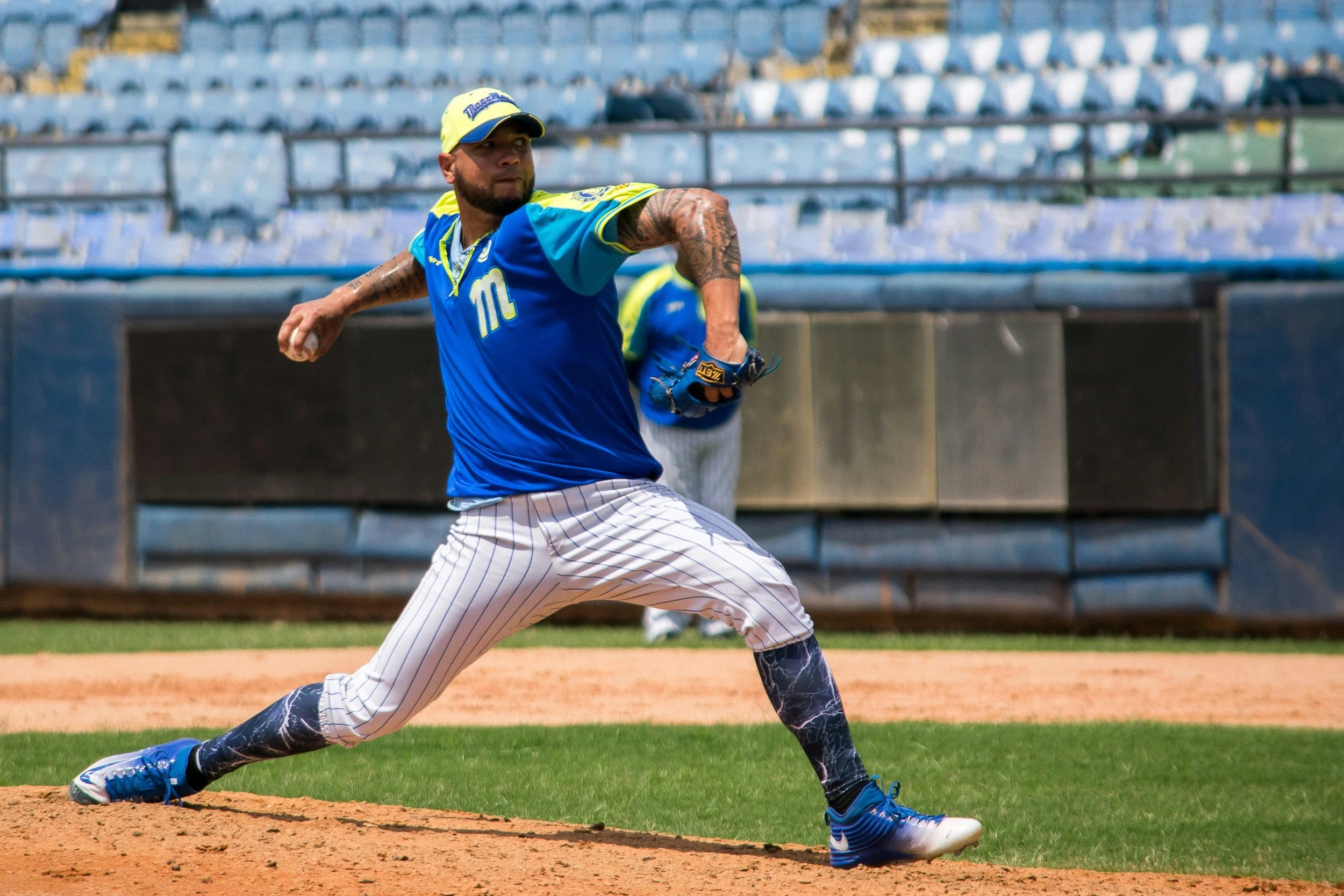
Ulnar collateral ligament (UCL) injuries of the elbow are most commonly associated with overhead throwing sports, particularly baseball pitching, but they also occur in cricket fast bowlers, javelin throwers, tennis players, gymnasts, CrossFit athletes, surfers, and individuals exposed to repetitive valgus loading or traumatic elbow stress. While often discussed in elite sport, UCL injuries span all activity levels and can significantly impact performance, training tolerance, and long-term elbow health.
This article provides a detailed overview of UCL anatomy, biomechanics, injury mechanisms, clinical presentation, diagnosis, management strategies, rehabilitation principles, and return-to-sport considerations.
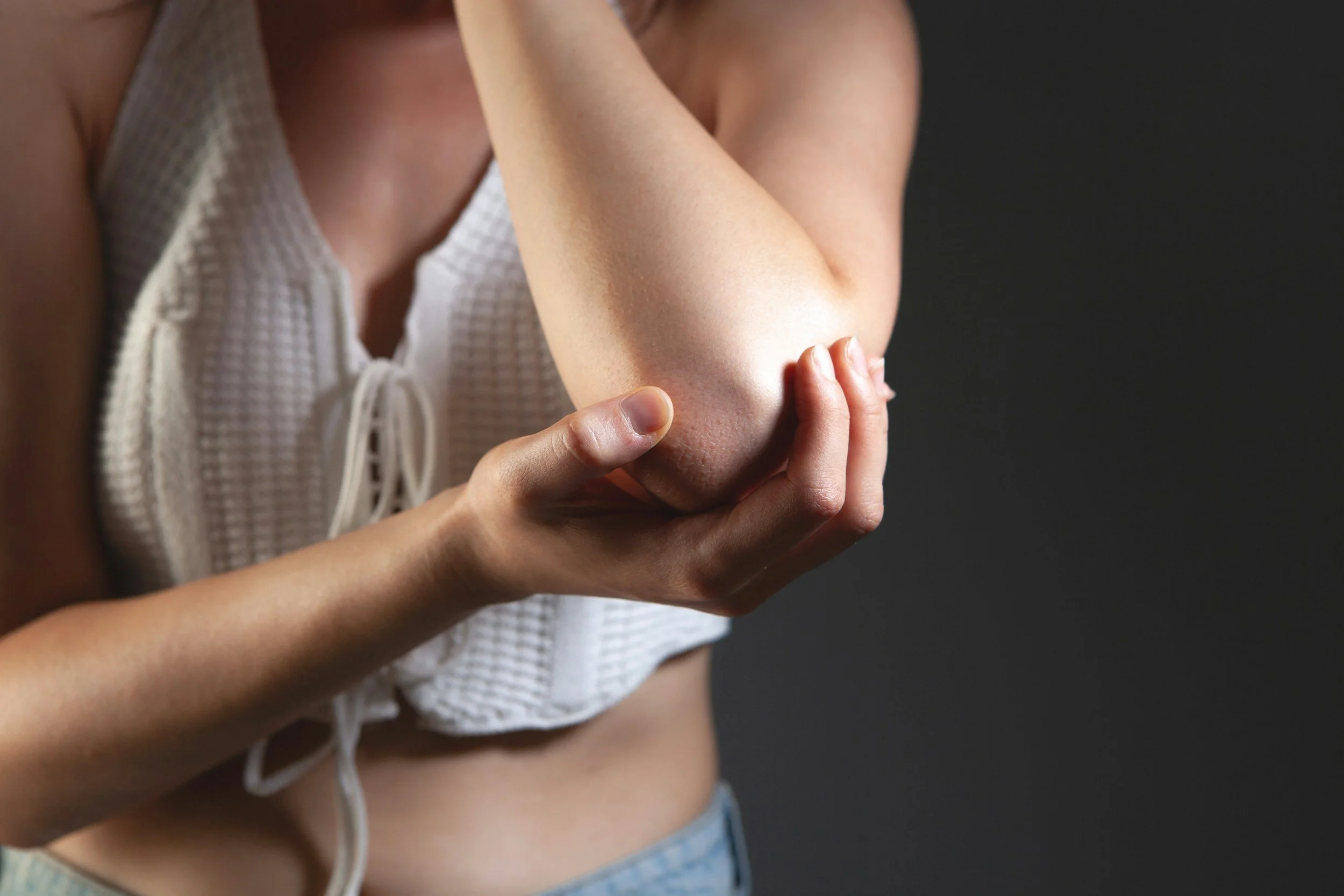
Anatomy of the Ulnar Collateral Ligament Complex
The ulnar collateral ligament complex is located on the medial (inner) side of the elbow and is the primary static stabiliser resisting valgus stress. It consists of three distinct components:
Anterior bundle
Posterior bundle
Transverse ligament
The anterior bundle is the most clinically significant structure and provides the majority of valgus stability, particularly between approximately 20° and 120° of elbow flexion. It is the structure most commonly injured in throwing athletes.
The posterior bundle contributes to stability at higher degrees of elbow flexion and may be involved in cases of posteromedial elbow pain or valgus extension overload.
The transverse ligament spans between ulnar attachments and contributes minimally to valgus stability.
Dynamic stability of the medial elbow is also provided by the flexor-pronator muscle group, which plays an important protective role by sharing load during high-stress activities.
Biomechanics and Mechanism of Injury
During overhead throwing, the elbow is subjected to extremely high valgus forces that approach or exceed the intrinsic strength of the UCL. In isolation, these forces are often tolerable, but cumulative exposure over time increases injury risk.
Key contributors to UCL injury include:
High throwing volume or intensity
Sudden spikes in load or inadequate recovery
Fatigue-related breakdown in mechanics
Reduced shoulder or trunk contribution leading to increased elbow load
Poor kinetic chain efficiency from the lower limbs or core
In most athletes, UCL injury develops gradually through repetitive microtrauma, resulting in collagen degeneration and partial tearing. Less commonly, a single traumatic event may cause an acute rupture, sometimes accompanied by a sudden pop and immediate pain.
Clinical Presentation and Symptoms
Athletes with UCL injury typically report:
Medial elbow pain during or after throwing or overhead activity
Progressive decline in performance, velocity, or accuracy
Reduced ability to tolerate training volume
Post-activity soreness that worsens over time
Additional symptoms may include:
Elbow stiffness or loss of extension
Sensations of instability or weakness
Tingling or numbness in the ring and little finger due to ulnar nerve irritation
Symptoms often begin subtly and worsen as load tolerance decreases.
Differential Diagnosis
Medial elbow pain is not synonymous with UCL injury. Conditions that must be considered include:
Flexor-pronator tendinopathy or strain
Medial epicondylalgia
Ulnar nerve irritation or subluxation
Valgus extension overload with posteromedial impingement
Osteochondral pathology, particularly in adolescent athletes
Referred pain from the shoulder or cervical spine
Accurate diagnosis requires careful clinical reasoning and should not rely on imaging alone.
Imaging and Diagnostic Considerations
Imaging may be used to:
Confirm UCL involvement
Identify tear location and severity
Assess associated pathology
Assist with treatment planning
MRI is commonly utilised, particularly in high-demand athletes. In some cases, contrast-enhanced imaging is used to improve visualisation of partial tears.
Importantly, imaging findings must be interpreted alongside clinical symptoms and functional limitations. Structural abnormalities do not always correlate with pain or performance capacity.
Injury Severity and Tear Location
UCL injuries are often classified as:
Low-grade sprain
Partial tear
High-grade partial tear
Complete rupture
Tear location is clinically relevant. Proximal tears generally demonstrate better outcomes with non-operative management compared to distal tears, which are more likely to be symptomatic and less responsive to conservative care.
Management Options
Non-operative Management
Non-operative treatment is often appropriate for:
Low-grade and moderate partial tears
Non-throwing athletes
Athletes outside peak competitive windows
Individuals with favourable tear patterns
Rehabilitation focuses on:
Symptom modulation and tissue protection
Gradual restoration of elbow load tolerance
Strengthening of the flexor-pronator mass
Shoulder and scapular strength and control
Trunk and lower limb contribution to force transfer
Structured re-introduction of sport-specific loading
In some cases, adjunctive interventions such as injections may be considered as part of a broader rehabilitation strategy.
Surgical Management
Surgery is more commonly considered in:
Complete ruptures in high-demand overhead athletes
Persistent instability despite comprehensive rehabilitation
Athletes unable to perform at required levels
Specific tear patterns associated with poor conservative outcomes
UCL reconstruction is the most established surgical option and involves grafting tendon tissue to restore valgus stability. Return-to-play timelines commonly range from 12 to 18 months.
UCL repair with internal bracing is an emerging option in carefully selected cases, particularly acute proximal tears with good tissue quality, and may allow for faster rehabilitation timelines.
Surgical decisions should always be made collaboratively between the athlete, surgeon, and rehabilitation team.
Rehabilitation Principles
Regardless of treatment pathway, successful outcomes depend on:
Progressive and objective load management
Restoration of kinetic chain efficiency
Monitoring of throwing volume and intensity
Individualised progression based on tissue response
Patience and adherence to timelines
Rehabilitation is not simply about the elbow. Failure to address shoulder, trunk, or lower-limb deficits increases reinjury risk.
Return to Sport Considerations
Return to throwing or overhead sport should be:
Gradual and criteria-based
Progressed through structured throwing programs
Monitored for symptom recurrence
Integrated with strength, conditioning, and skill work
Athletes may feel subjectively ready before tissues are fully prepared. Objective testing and staged exposure are essential to reduce recurrence risk.
Long-Term Outlook
With appropriate diagnosis, management, and rehabilitation, many athletes return to sport successfully following UCL injury. Early recognition, load modification, and evidence-based care significantly improve outcomes and may reduce the need for surgical intervention.
Ulnar collateral ligament injuries are rarely just an elbow problem. They are usually the result of cumulative load, biomechanical inefficiencies, and breakdowns elsewhere in the kinetic chain. Getting the diagnosis right early, and addressing the whole system rather than just the painful structure, is key to long-term success.
At SurfEdge Sports Physiotherapy, we take a comprehensive, evidence-based approach to elbow injuries. This includes detailed assessment, individualised rehabilitation, structured load management, and close collaboration with coaches and medical teams where required. Our goal is not just to get you back to training, but to help you return stronger, more resilient, and better prepared for the demands of your sport.
If you’re dealing with persistent elbow pain, performance decline, or recurring issues with throwing or overhead activity, we’re here to help.